
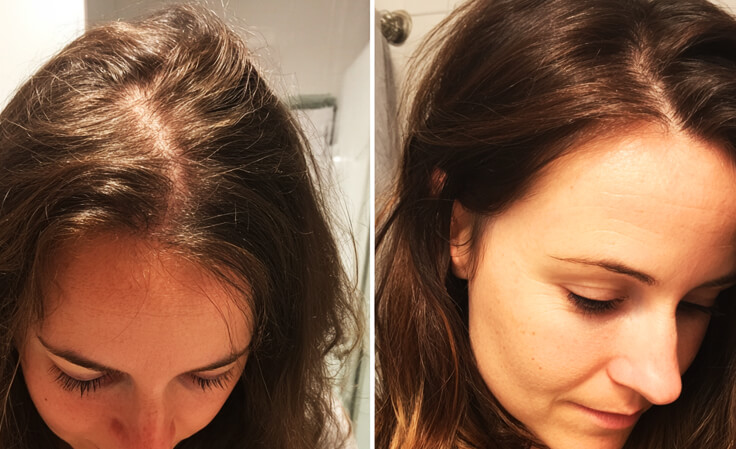
There are few things more unsettling than standing in the shower after having a baby, looking down at your hands, and realizing the amount of hair tangled between your fingers is far more than it used to be. For many women, postpartum hair loss doesn’t just feel like a cosmetic issue. It feels personal. Your body has already changed in a hundred visible and invisible ways, and hair often feels like the last familiar piece of yourself. So when it starts shedding, clumping, thinning, or refusing to grow back the way you expect, it can quietly chip away at confidence during a season that is already emotionally full.
Postpartum hair loss is common, but that doesn’t mean it’s simple, harmless, or something you’re supposed to just “wait out” without support. There is a wide gap between what is normal, what signals something deeper, and what actually helps the hair recover instead of simply masking the problem. Understanding that difference is the key to not wasting money, time, or energy on products that promise miracles while ignoring the real reason your hair is changing in the first place.
This conversation deserves nuance, honesty, and solutions that work with the body rather than fighting it.
Why Postpartum Hair Loss Happens in the First Place
During pregnancy, estrogen levels rise significantly, and one of estrogen’s lesser-known effects is that it keeps hair in the growth phase longer than usual. Normally, hair cycles through growth, rest, and shedding phases on a staggered timeline. Pregnancy disrupts that cycle by holding onto hair that would have naturally shed. The result is often thicker-looking hair during pregnancy, which many women notice and love.
After birth, estrogen levels drop rapidly. The hair that was “held back” during pregnancy is released all at once, entering the shedding phase together. This creates the illusion that hair is falling out in alarming amounts, even though much of it is simply delayed shedding finally catching up. This process is known as postpartum telogen effluvium, and it typically begins around three to four months postpartum.
That explanation helps normalize the experience, but it doesn’t address the whole picture. Hormones don’t operate in isolation. Postpartum life includes sleep deprivation, nutritional depletion, emotional stress, blood sugar fluctuations, and in many cases breastfeeding-related demands on the body. All of these factors influence hair health, scalp function, and follicle resilience. When the body is under prolonged stress or lacking resources, hair becomes non-essential. It is one of the first things to thin and one of the last things to fully recover.
What Postpartum Hair Loss Looks Like When It’s Normal
Normal postpartum hair loss tends to follow a predictable pattern. Shedding usually increases between three and six months postpartum and gradually slows over time. The hair loss is diffuse, meaning it happens evenly across the scalp rather than in patches or bald spots. Many women notice thinning around the temples or along the hairline, sometimes referred to as “baby hairs,” which can feel especially noticeable when styling.
The scalp itself typically feels healthy during normal postpartum shedding. There is no intense itching, burning, flaking, or pain. Hair may feel thinner or finer, but the follicles remain intact, and new growth usually begins once hormonal rhythms stabilize. By twelve months postpartum, most women see significant improvement, especially if nutritional needs are met and stress is managed as well as possible in early motherhood.
Normal does not mean easy, but it does mean temporary and reversible with the right support.
When Postpartum Hair Loss Is a Sign of Something More
There are times when postpartum hair loss goes beyond normal shedding and signals that the body is struggling to recover. If hair continues to thin aggressively beyond a year postpartum, if shedding worsens instead of improving, or if hair texture changes dramatically, it may indicate deeper imbalances.
Thyroid dysfunction is a common contributor to prolonged postpartum hair loss, particularly postpartum thyroiditis. Iron deficiency, low ferritin levels, protein insufficiency, and chronic inflammation can all interfere with hair regrowth. Severe scalp irritation, itching, or burning sensations may point to disrupted scalp microbiome or sensitivity reactions to hair products that were previously tolerated.
Another overlooked factor is hormonal disruption caused by topical products. The scalp is highly absorbent, and ingredients applied regularly can influence hormone signaling locally and systemically. Many women unknowingly introduce endocrine-disrupting compounds during postpartum by switching to “strengthening,” “volumizing,” or “regrowth” products that rely on synthetic fragrance, harsh preservatives, or hormone-mimicking compounds.
When postpartum hair loss feels relentless, it is often not because the body is broken, but because it is being overstimulated, undernourished, or interfered with at the scalp level.
Why Most Store-Bought Hair Growth Products Fall Short
Conventional hair growth products tend to focus on appearance rather than function. They are designed to make hair look fuller quickly through coatings, silicones, polymers, and synthetic conditioning agents. While this can temporarily improve shine and smoothness, it does nothing to support the follicle environment where growth actually happens.
Many store-bought serums and treatments rely on ingredients that create tingling sensations or redness to simulate circulation. This irritation-based approach can inflame the scalp, disrupt barrier function, and ultimately weaken follicles over time. Synthetic fragrance, one of the most common ingredients in conventional hair products, is particularly problematic postpartum, when hormonal systems are already recalibrating. Fragrance blends often contain undisclosed chemicals that can interfere with endocrine signaling, which is the last thing a postpartum body needs. Learn if your skincare is messing with your hormones here.
Additionally, most conventional products ignore consistency and biology. Hair growth is slow by nature. Products that promise dramatic results in weeks are often relying on cosmetic illusion rather than true follicle support. For postpartum hair recovery, gentle, consistent, nourishing input matters far more than aggressive stimulation.
What Actually Helps Postpartum Hair Recover
Hair regrowth postpartum requires patience, but it also requires the right conditions. The scalp must be calm, nourished, and supported. Blood flow to the follicles needs to be encouraged without inflammation. The hair growth cycle needs time to reset, which happens best when the body feels safe rather than stressed.
Topical support should focus on restoring the scalp’s natural balance rather than forcing growth. Oils and botanical compounds that reduce inflammation, support circulation gently, and nourish the skin at the follicle level can create an environment where hair can re-enter the growth phase naturally. Consistency matters more than intensity. A small amount applied regularly is far more effective than harsh treatments used sporadically.
This is where natural, thoughtfully formulated serums outperform conventional alternatives, especially in the postpartum season.
Why a Natural, Hormone-Safe Hair Serum Makes a Difference
The scalp is not just hair. It is skin, richly vascularized and highly absorbent. What you apply there matters. During postpartum recovery, the goal is not to override the body’s signals but to support them. A hormone-safe hair serum respects this process by avoiding ingredients that interfere with endocrine function while providing nutrients the scalp recognizes and can use.
Natural oils and plant-based actives work in harmony with the body because they are biologically familiar. They soften the scalp, improve elasticity, support circulation, and help regulate the microenvironment around the follicle. Instead of triggering inflammation, they reduce it. Instead of masking thinning, they support regrowth over time.
When postpartum hair loss is approached this way, the focus shifts from panic to patience, from force to restoration.
Why Arvoti Hair Serum Is Different
My Arvoti Hair Serum was formulated with postpartum bodies in mind, even for women who are breastfeeding or hormonally sensitive. Rather than relying on synthetic stimulants or fragrance-based blends, this serum focuses on nourishing the scalp and supporting the follicle environment naturally.
Unlike store-bought products that chase fast results through irritation or coating agents, Arvoti Hair Serum works by restoring balance. It supports circulation without causing redness or burning. It conditions the scalp without clogging follicles. It is free from synthetic fragrance and hormone-disrupting additives, making it a safer choice during a season when hormonal signals are already recalibrating.
The formulation is intentionally simple, because postpartum bodies do best with less interference, not more. The result is a serum that does not promise overnight miracles, but instead supports real regrowth over time by working with the body rather than against it.
Many women notice that their scalp feels calmer within weeks of consistent use, with less itching, tightness, or sensitivity. Over time, baby hairs begin to fill in along the hairline, shedding slows, and hair texture improves. These changes happen gradually, which is exactly how true recovery looks.
How Arvoti Compares to Conventional Hair Serums
Conventional hair serums often prioritize marketing over biology. They rely on flashy ingredient claims, aggressive sensations, and artificial shine to create the impression of effectiveness. What they rarely do is support long-term follicle health, especially in hormonally sensitive phases like postpartum.
My Arvoti Hair Serum takes the opposite approach. Instead of overstimulating, it nourishes. Instead of disrupting, it supports. Instead of masking, it restores. Because it avoids ingredients that interfere with hormonal signaling, it can be used consistently without creating new imbalances.
This makes it particularly valuable postpartum, when the body is already doing the complex work of recalibration. Supporting that process gently leads to more sustainable results than forcing growth through harsh means.
Patience, Consistency, and Trusting the Process
One of the hardest parts of postpartum hair loss is the waiting. Hair growth is slow, and the emotional weight of watching change unfold in the mirror can make that slowness feel unbearable. But recovery is not linear, and it is rarely dramatic. It shows up in small signs. Less hair in the drain. Softer regrowth at the temples. A scalp that feels calm instead of reactive.
Using a supportive, hormone-safe serum consistently allows those small changes to accumulate. Over time, they add up to noticeable improvement. This is not about fighting your body into submission. It is about creating the conditions where it can recover on its own timeline.
Navigating Postpartum Hair Loss
If you are navigating postpartum hair loss and feeling overwhelmed by conflicting advice, aggressive products, or empty promises, consider shifting the goal. Instead of chasing instant results, focus on restoring balance and supporting your scalp in a way that respects your body’s healing process.
My Arvoti Hair Serum was created for exactly this purpose. It is a natural, hormone-safe option designed to support real regrowth without disrupting the delicate postpartum rhythm. You can learn more about it and begin supporting your scalp gently and consistently by visiting the link below.
Your hair has not failed you. It is responding to a season of profound change. With patience and the right support, it can recover.
Frequently Asked Questions
Is postpartum hair loss permanent?
Postpartum hair loss is not permanent for most women. It is typically a temporary shedding phase caused by hormonal shifts after pregnancy. When the body is supported nutritionally and the scalp is cared for gently, hair growth usually resumes over time.
How long does postpartum hair loss last?
Shedding often begins around three to four months postpartum and can last several months. For many women, noticeable improvement occurs by twelve months postpartum, though this can vary depending on stress, nutrition, and hormonal health.
Can hair serums really help postpartum hair loss?
Hair serums can be helpful when they support scalp health rather than overstimulating it. A hormone-safe, nourishing serum can improve the follicle environment and encourage regrowth over time when used consistently.
Is Arvoti Hair Serum safe to use postpartum?
My Arvoti Hair Serum is formulated without hormone-disrupting ingredients or synthetic fragrance, making it a gentler option for postpartum use. As with any product, consistency and patience are key.
How long does it take to see results with a natural hair serum?
Natural hair regrowth takes time. Many women notice scalp comfort improvements within weeks, with visible regrowth appearing after several months of consistent use. Real results come from supporting the body’s natural rhythm rather than forcing rapid change.
