
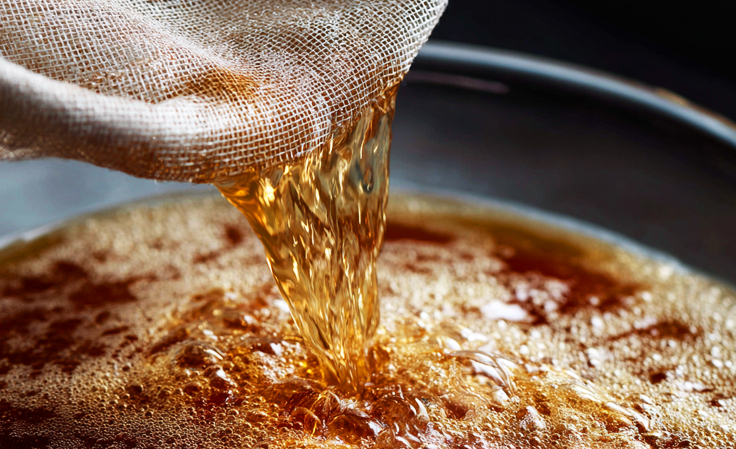
There is something deeply satisfying about a pot of bone broth gently simmering on the stove, steam curling into the kitchen air, the scent rich and savory and grounding. Bone broth feels ancestral, restorative, practical. It is the kind of food that makes you feel prepared, like you are storing up nourishment for colder days. But once you have jars lining your refrigerator and containers filling your freezer, the question inevitably surfaces, can you freeze dry bone broth? And more importantly, should you?
The short answer is yes, you can freeze dry bone broth. The longer answer is that it requires a little understanding, a little patience, and a willingness to adjust your expectations about how liquids behave in a freeze dryer. Bone broth is not scrambled eggs or diced strawberries. It is a liquid, and liquids demand a different approach. But when done correctly, freeze drying bone broth is one of the most efficient, shelf-stable ways to preserve its nutrients and flavor without sacrificing freezer space or relying on pressure canning.
Why Freeze Dry Bone Broth Instead of Freezing or Canning?
Most people store broth in mason jars in the freezer or process it in a pressure canner. Both methods work, but they come with limitations. Freezing requires ongoing electricity and valuable freezer real estate. A prolonged outage can undo months of preparation in hours. Canning, while shelf stable, involves high heat and long processing times, which can subtly alter flavor and degrade certain heat-sensitive compounds. If you want to learn how to can, check out my canning course that walks you through how to can safely in your kitchen.
Freeze drying changes the equation. Instead of cooking the broth again, it removes moisture through sublimation, meaning the frozen water transitions directly from solid to vapor under vacuum pressure. The result is a dry, lightweight product that retains much of its original flavor and nutritional profile. When you rehydrate it, the broth comes remarkably close to its original form. That is why more people are asking can you freeze dry bone broth, because the benefits are compelling. I absolutely love my Harvest Right Freeze Dryer!
Understanding How Freeze Drying Works with Liquids
To understand what actually works when freeze drying broth, it helps to visualize the process. A freeze dryer first freezes the contents completely solid. Then under vacuum, it slowly warms the trays, allowing the ice to sublimate. With solid foods, moisture escapes from internal cells. With liquids like bone broth, the process is more uniform, but the challenge is containment.
If you simply pour broth into deep containers, you risk uneven drying. Thick pools can trap moisture, leaving wet pockets that compromise shelf life. The key is surface area. The thinner the layer, the more efficiently moisture can escape. That is the first principle of successfully freeze drying bone broth.
Another consideration is fat. Bone broth made from marrow bones, chicken carcasses, or beef knuckles often contains a visible layer of fat on top. While fat contributes flavor, it does not freeze dry. It remains, and over time fat can go rancid. Removing excess fat before freeze drying dramatically improves storage longevity. Skimming chilled broth after refrigeration is one of the simplest ways to reduce fat content before processing.
Preparing Bone Broth for the Freeze Dryer
When someone asks can you freeze dry bone broth, they often imagine pouring hot broth straight into the machine. That is not ideal. The broth should be fully chilled first, both for safety and for fat removal. Refrigeration allows fat to solidify at the top, making it easy to lift off. Once skimmed, the broth can be portioned into freeze dryer trays.
Shallow layers are critical. Ideally, broth should be poured no more than half an inch deep across each tray. Some people pre freeze trays in a standard freezer before loading them into the freeze dryer. This shortens cycle time and helps maintain structure. Others let the freeze dryer handle the freezing phase. I prefer to pre-freeze as this cuts down on freeze dryer time significantly. Either approach can work, but pre freezing often results in more consistent drying.
The machine will handle the rest, cycling through freezing, primary drying, and secondary drying phases. The full process can take twenty four to forty hours depending on volume, thickness, and machine capacity. Patience matters here. Interrupting the cycle early can leave hidden moisture behind.
What Does Freeze Dried Bone Broth Look Like?
When fully dried, bone broth transforms into thin, brittle sheets or shards that crumble easily into powder. The color depends on the original broth, golden for chicken, deep brown for beef. The texture is dry and crisp, almost like a fragile cracker. There should be no cool spots or tacky areas when touched. If the product feels leathery or flexible, additional drying time is needed.
This brittle stage is important because residual moisture shortens shelf life. Properly dried broth can last years when stored correctly. Improperly dried broth may spoil in months. That difference hinges on thorough drying.
Turning Freeze Dried Broth into Powder
Many people choose to powder their freeze dried broth for convenience. Crushing the shards in a blender or food processor creates a fine powder that dissolves easily in hot water. Powdered broth also stores more compactly and is easier to measure. One tablespoon of powder can reconstitute into a cup of broth depending on concentration.
Powdering also makes it possible to use broth as a seasoning. Sprinkled into soups, rice, sauces, or even scrambled eggs, it adds depth without additional liquid. This versatility is one reason freeze drying bone broth appeals to homesteaders and preppers alike.
Storage Is Where Success Is Won or Lost
The question can you freeze dry bone broth does not end with the drying cycle. Storage determines whether your effort pays off long term. Oxygen and moisture are the two enemies of shelf stability. Once powdered or left in shards, the broth should be stored in airtight containers with oxygen absorbers. Mylar bags or mason jars with tight sealing lids work well.
Exposure to humidity can quickly compromise texture and shelf life. The powder will clump if it absorbs moisture from the air. Working quickly during packaging helps prevent this. Once sealed, freeze dried broth can remain shelf stable for years, especially when stored in a cool, dark environment.
How Does It Taste After Rehydration?
Skepticism is natural. Will it taste the same? Is something lost in the process? Rehydrated freeze dried broth is remarkably close to fresh broth. The flavor remains rich and concentrated. Some subtle aromatic notes may soften, but the difference is minimal when the broth was well prepared to begin with.
The key to great freeze dried broth is great original broth. Long simmering times, quality bones, and proper seasoning translate into better results. Freeze drying preserves what is already there. It does not improve weak broth.
Common Mistakes to Avoid
One common mistake is skipping fat removal. Fat may seem harmless, but over time it oxidizes. Even in low moisture environments, fats can degrade. Skimming as much as possible before freeze drying protects shelf life. Another mistake is overfilling trays. Thick layers trap moisture. Even if the top appears dry, the bottom can remain damp.
Impatience is another issue. Extending dry time by a few hours is better than risking incomplete drying. I do this with almost everything I freeze dry. I already spent all of that time to freeze dry, why risk it? Machines often allow additional drying time if needed. Trust your hands. If the broth feels brittle and snaps cleanly, it is ready.
Is Freeze Drying Worth It?
Freeze dryers represent an investment. They are not casual appliances. But for households already producing large quantities of broth and interested in building a food storage, the efficiency and shelf stability can justify the cost. Imagine shelves lined with lightweight jars of powdered broth instead of freezer containers. Imagine having nutrient dense broth ready for travel, emergencies, or quick meals without thawing.
When someone wonders can you freeze dry bone broth, what they are really asking is whether it is practical. The answer is yes, with proper technique. It requires understanding liquid behavior, managing fat, and committing to thorough drying and storage. But the reward is remarkable convenience and resilience.
Freeze Drying Bone Broth Is So Worth It
Bone broth represents time, intention, and nourishment. Preserving it well honors that effort. Freeze drying offers a way to extend its life without compromising quality. It transforms something perishable into something portable and enduring.
If you have been hesitant, consider trying a small batch. Observe the transformation from liquid to brittle sheet. Rehydrate it. Taste it. The process feels almost magical the first time, like turning a simmering pot into shelf stable security.
If this guide answered your question about whether you can freeze dry bone broth, share it with someone else looking to preserve their harvest. Food preservation is not just about storage. It is about confidence and capability.
Frequently Asked Questions
Can you freeze dry bone broth with fat in it?
Technically yes, but removing as much fat as possible significantly improves shelf life and reduces the risk of rancidity.
How long does freeze dried bone broth last?
When properly dried and stored with oxygen absorbers in airtight containers, it can last several years.
Do you need to powder freeze dried bone broth?
No, but powdering makes it easier to measure and rehydrate evenly.
Can you freeze dry homemade broth with vegetables in it?
It is best to strain solids before freeze drying to ensure even drying and consistent texture.
How do you rehydrate freeze dried bone broth?
Simply add hot water gradually until it reaches your desired consistency and stir until fully dissolved.
