
Walk into any skincare aisle or scroll through any beauty routine online, and you will hear the same message repeated over and over. Retinol is the gold standard. Retinol is the must have. Retinol is the answer to aging, acne, texture, and everything in between. It has been positioned as the one ingredient that can transform your skin if you just stick with it long enough.
But here is the question more people are starting to ask quietly, and now more openly. If retinol is so effective, why are so many people dealing with irritation, sensitivity, thinning skin, and a constant cycle of needing more products to fix what their routine caused in the first place?
This is where the conversation is shifting. The interest in retinol side effects, retinol alternatives, and natural anti aging skincare is rising fast, and for good reason. People are no longer just chasing quick results. They are asking what those results are costing them long term.
So let’s take a deeper, honest look at retinol. Not from a place of fear, but from a place of understanding. Because when you understand how something works, you can decide whether it truly aligns with what your skin needs.
What Does Retinol Actually Do to Your Skin?
Retinol is a derivative of vitamin A, and its primary function in skincare is to accelerate cell turnover. In simple terms, it pushes your skin to shed old cells faster and bring new cells to the surface more quickly. This is why people often notice smoother texture, fewer breakouts, and a brighter appearance in the early stages.
At first glance, that sounds like exactly what you want. Who would not want faster renewal and fresher skin?
But here is where it gets more complex. Your skin is not just a surface that needs constant refreshing. It is a living system with a natural rhythm. When you force that rhythm to speed up, especially over long periods of time, there can be consequences that are not always talked about as openly.
This is where discussions around bakuchiol vs retinol and natural retinol alternatives begin to make more sense. Because the goal is not just faster results. The goal is healthier skin that can sustain those results.
Why Do So Many People Experience Retinol Side Effects?
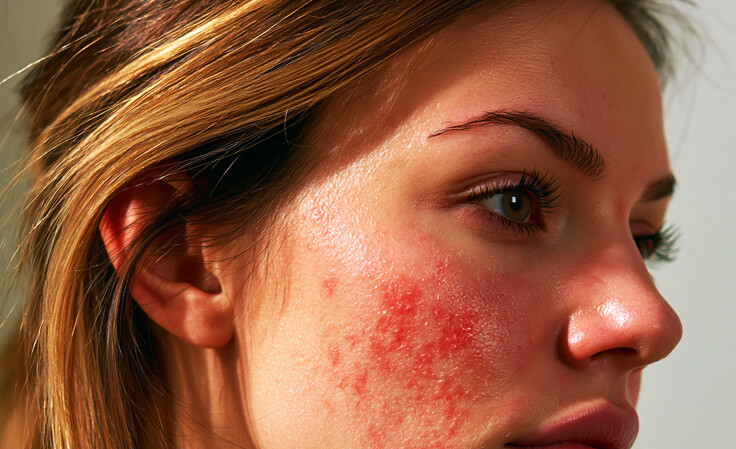
If you have ever used retinol or considered it, you have likely heard about the adjustment period. The dryness, the peeling, the redness, the sensitivity. It is often framed as a normal part of the process, something you just have to push through to get to the “good part.”
But what if that reaction is not just an adjustment. What if it is your skin signaling that it is under stress?
One of the most common retinol side effects is irritation, and it happens because retinol disrupts the outer layer of your skin in order to accelerate turnover. This can weaken your skin barrier, making it harder for your skin to retain moisture and protect itself from external stressors.
Over time, this can lead to a cycle where your skin becomes more sensitive, more reactive, and more dependent on products to maintain balance. You might find yourself adding heavier moisturizers, calming serums, and barrier repair creams just to keep your skin comfortable.
At that point, it is worth asking. Is the product helping your skin thrive, or is it creating a system where your skin constantly needs support to recover?
Does Retinol Thin Your Skin Over Time?
This is one of the most debated topics in skincare, and it is often misunderstood. Retinol is known to increase collagen production in deeper layers of the skin, which can create a firmer appearance over time. However, at the surface level, it can also thin the outermost layer, especially when overused.
That outer layer is your skin barrier. It is what keeps moisture in and irritants out. When it becomes compromised, your skin can start to feel more fragile, more sensitive to the sun, and more reactive overall.
This is where the concept of short term glow versus long term health becomes important. You might see smoother, brighter skin in the beginning, but if your barrier is consistently being disrupted, the long term effects can include chronic dryness, redness, and increased sensitivity.
Your skin might look polished in certain lighting, but feel uncomfortable in real life. And that is not the kind of result most people are truly looking for.
Are You Stuck in a Retinol Dependency Cycle?
This is something many people do not realize until they step back and evaluate their routine. Retinol can create a cycle where your skin becomes reliant on it to maintain a certain appearance.
When you stop using it, your skin may feel like it is regressing. Texture may return, breakouts may increase, and overall tone may seem less even. This can make it feel like you need to continue using retinol indefinitely just to keep your skin stable.
But what if your skin is not regressing. What if it is simply trying to return to its natural rhythm after being pushed beyond it?
This is where the idea of healing skin naturally becomes so powerful. Instead of forcing your skin into a constant state of turnover, you begin to support its natural processes. You shift from control to collaboration.
Why Are Some Retinol Formulas Restricted in Other Countries?
One of the reasons this conversation has gained momentum is due to increased awareness of ingredient regulations in different parts of the world. In places like the European Union, certain forms and concentrations of vitamin A derivatives are more tightly regulated in cosmetic products.
This is not about creating fear. It is about understanding that different regulatory bodies evaluate ingredient safety and long term use differently. These restrictions have prompted many people to ask deeper questions about how often and how long retinol should be used, especially when it comes to maintaining skin health over time.
It also opens the door to exploring retinol alternatives that offer benefits without the same level of disruption.
Is There a Better Way to Support Your Skin as It Ages?
This is where the conversation shifts from critique to solution. Because the goal is not to remove effective skincare. It is to find approaches that support your skin in a way that is sustainable. You can learn more about why Anti-Aging serums are a secret weapon.
Aging is not something that needs to be aggressively fought. It is something that can be supported. Your skin naturally produces collagen, repairs itself, and adapts over time. When you work with those processes instead of forcing them, the results often feel more balanced and long lasting.
This is the foundation of natural anti aging skincare. It focuses on nourishment, hydration, and support rather than constant stimulation.
Bakuchiol vs Retinol: What Is the Difference?
If you have been searching for retinol alternatives, you have likely come across bakuchiol. It is often referred to as a natural alternative, but what does that actually mean in practice?
Bakuchiol is a plant derived compound that has been shown to support collagen production and improve the appearance of fine lines and uneven tone, similar to retinol, but without the same level of irritation. Instead of forcing rapid turnover, it works with your skin to encourage gradual improvement.
This difference is significant. While retinol can push your skin into change, bakuchiol supports your skin as it changes. It is a more gentle approach, but that does not mean it is less effective. In many cases, it is more sustainable because it does not compromise your skin barrier in the process.
For those who have experienced sensitivity, dryness, or frustration with retinol, this can feel like a completely different experience. Your skin begins to improve without the constant cycle of irritation and recovery.
Why Gentle Skincare Is Becoming the New Standard
There is a noticeable shift happening in skincare, and it is not just a trend. People are moving away from aggressive routines and toward simpler, more intentional ones. This shift is rooted in the understanding that your skin does not need to be constantly challenged to improve.
When your skin barrier is healthy, everything else becomes easier. Hydration is maintained, tone looks more even, and your skin feels comfortable instead of reactive. This is why so many people are prioritizing skin barrier repair alongside anti aging goals.
Gentle does not mean ineffective. It means supportive. And when your skin feels supported, it responds in ways that are often more consistent and more natural.
How to Transition Away From Retinol Without Wrecking Your Skin
If you are considering stepping away from retinol, it is important to do so thoughtfully. Your skin may need time to adjust, especially if you have been using it consistently.
Start by simplifying your routine. Focus on gentle cleansing, deep hydration, and barrier support. Introduce a bakuchiol based serum to maintain the benefits you are used to, without the irritation.
Give your skin time to recalibrate. This is not about immediate perfection. It is about long term balance. As your skin begins to restore its natural rhythm, you may notice that it becomes less reactive, more resilient, and easier to care for overall.
The Real Goal: Skin That Functions, Not Just Skin That Looks Good
It is easy to get caught up in the idea of perfect skin. Smooth, poreless, flawless. But real skin is dynamic. It changes, it responds, it adapts.
The goal is not to force your skin into a static state. The goal is to support it so that it can function at its best. When your skin barrier is strong, your skin does not just look better. It feels better.
And that is something no quick fix can replace. Try my Anti-Aging serum today, and see why thousands have jumped to it from retinol and are loving their results!
Frequently Asked Questions
What are the most common retinol side effects?
Common retinol side effects include dryness, redness, peeling, increased sensitivity, and irritation. These effects often occur because retinol accelerates cell turnover and can disrupt the skin barrier.
Is bakuchiol really as effective as retinol?
Bakuchiol has been shown to provide similar benefits in improving the appearance of fine lines and skin tone, but it does so in a gentler way that is less likely to cause irritation.
Can I switch from retinol to a natural alternative?
Yes, many people successfully transition to retinol alternatives like bakuchiol. It is best to simplify your routine and focus on hydration and barrier support during the transition.
Why does my skin look worse when I stop using retinol?
Your skin may be adjusting back to its natural cycle after being accelerated by retinol. This is temporary and often improves as your skin regains balance.
Is natural anti aging skincare actually effective?
Yes, when done correctly. Supporting your skin with nourishing, gentle products can lead to long term improvements without the irritation associated with harsher ingredients.
